Why Portugal’s Historic Villages Help You Avoid “Generic Portugal” Itineraries
Portugal’s rise in popularity has been well-earned. Lisbon continues to deliver energy and elegance, Porto remains one of Europe’s most satisfying city breaks, the Douro is still a benchmark for scenic luxury, and the Algarve performs reliably for sun-led extensions. Yet as Portugal becomes more widely sold, many itineraries start to look and feel increasingly similar.
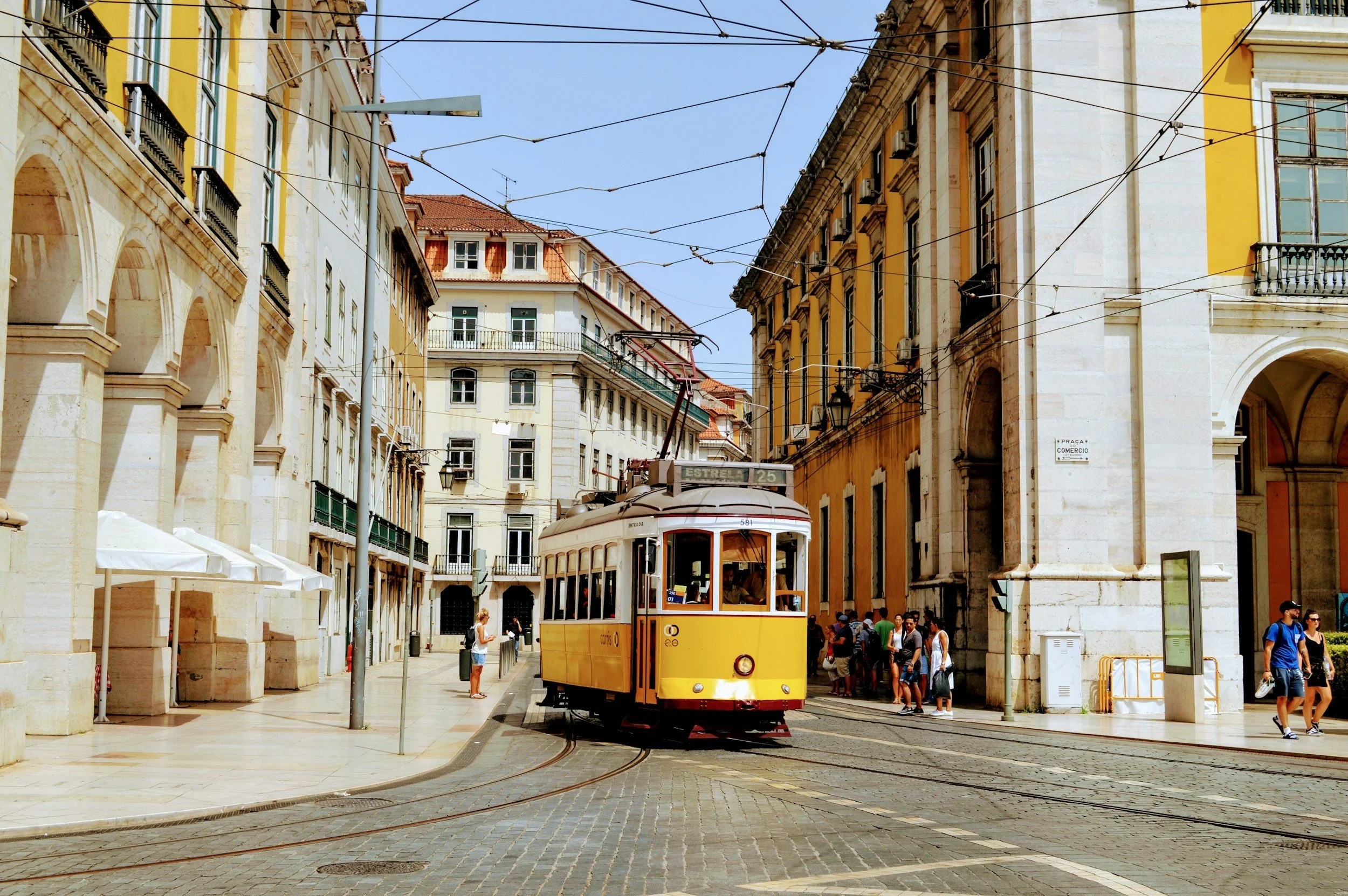
Lisbon electric tram
For travel advisors, that sameness creates a subtle but real problem. When a client sees a proposal that resembles what they’ve already saved, already seen on Instagram, or already heard from friends, perceived value can soften.
Nothing is “wrong” with the trip, but it can feel predictable. And predictability is the opposite of what most luxury clients are actually paying for.
Portugal’s Historic Villages are one of the most effective ways to break that pattern. Not as an add-on, not as a long list of stops, and not as a “day trip for photos”, but as a strategic cultural layer that shifts the emotional rhythm of the journey and makes the itinerary feel genuinely curated.
What “Generic” Really Means in Luxury Travel
Luxury clients rarely describe an itinerary as “generic.” More often, the language is indirect: “We’ve done something similar,” “It was lovely but it all blended,” “We didn’t feel we saw another side of the country.” These comments aren’t a rejection of Portugal. They’re a reaction to a travel experience that feels too familiar.
Most “generic Portugal” itineraries share the same underlying structure: headline destinations, predictable sequence, and an intense pace that keeps the client moving without giving them space to absorb.
Historic Villages help because they introduce contrast in three ways: scale, silence, and story.

Which Historic Villages Create the Strongest “Non-Generic” Effect
You don’t need to cover many villages to achieve this. In fact, too many villages can undo the luxury perception. The best approach is to choose villages with distinct identities, each offering a different emotional and visual payoff.
Monsanto is one of the most immediate “only here” moments in Portugal. The architecture isn’t simply built on the landscape, it is built into it. Stone houses sit between and beneath massive granite boulders, creating an atmosphere that feels both dramatic and deeply authentic. It’s visually iconic, but what makes it luxurious is how rare it feels.
Sortelha offers the opposite kind of impact: quiet medieval preservation. Its stone lanes and granite houses feel remarkably intact, as if the village has stepped aside from modern time. For clients who love medieval Europe but have already done the crowded versions of it, Sortelha delivers the mood without the noise.
Almeida is a different kind of story, structured, geometric, and strategic. The star-shaped fortress isn’t just pretty; it explains itself. It invites a narrative about borders, defense, and the engineering of power. For clients who appreciate architecture, military history, or purposeful places, Almeida can be a highlight.
Belmonte adds a more human form of depth, particularly through Jewish heritage narratives that can be handled with care and expertise. For culturally engaged clients, this kind of story-led stop can elevate the itinerary beyond aesthetics into meaning.
The point is not that these villages are “better” than mainstream destinations. The point is that they change the itinerary’s texture. They make Portugal feel less predictable.