Historic Villages of Portugal: What to See, Do, and Highlight for Luxury Clients
When selling Historic Villages of Portugal, success depends less on the number of places visited and more on what is emphasized within each stop.
Luxury clients do not want exhaustive lists. They want curated highlights that feel intentional and personal.
Below is a practical framework travel advisors can use to present Historic Villages in a way that resonates with high-end travelers.
What Actually Impresses Luxury Clients
Across multiple itineraries, certain elements consistently create strong emotional responses:
1. Fortifications and Urban Layouts
Star-shaped fortresses, medieval walls, and citadels offer immediate visual impact and historical grounding. They help clients understand why these places mattered.
The key is interpretation: guided walks that explain strategy, borders, and daily life, rather than self-guided wandering.
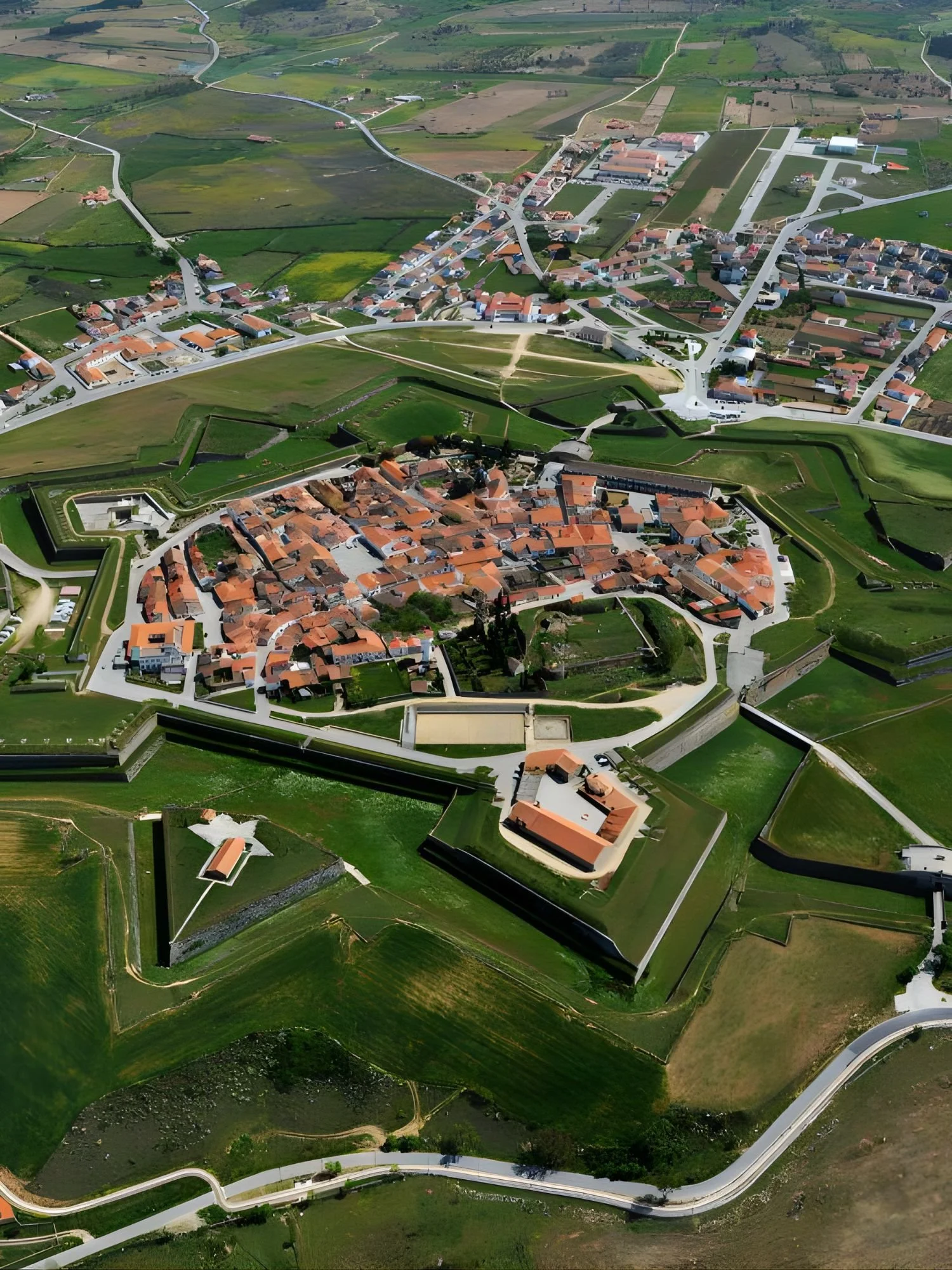
Almeida is one of Portugal’s most striking fortified villages, defined by its star-shaped walls and military heritage. From above, its geometry reveals why this village plays such a powerful role in curated cultural itineraries, offering context, structure, and a strong sense of place.
2. Small-Scale Museums with Big Stories
Military, Jewish heritage, and regional ethnographic museums add narrative texture when introduced selectively. One well-chosen museum is far more effective than several rushed visits.
3. Landscape and Vantage Points
Many villages sit on elevated terrain with commanding views over plains, valleys, or rivers. These moments often become the most photographed and remembered parts of the journey.
Timing matters. Late afternoon light and unhurried pacing dramatically enhance the experience.
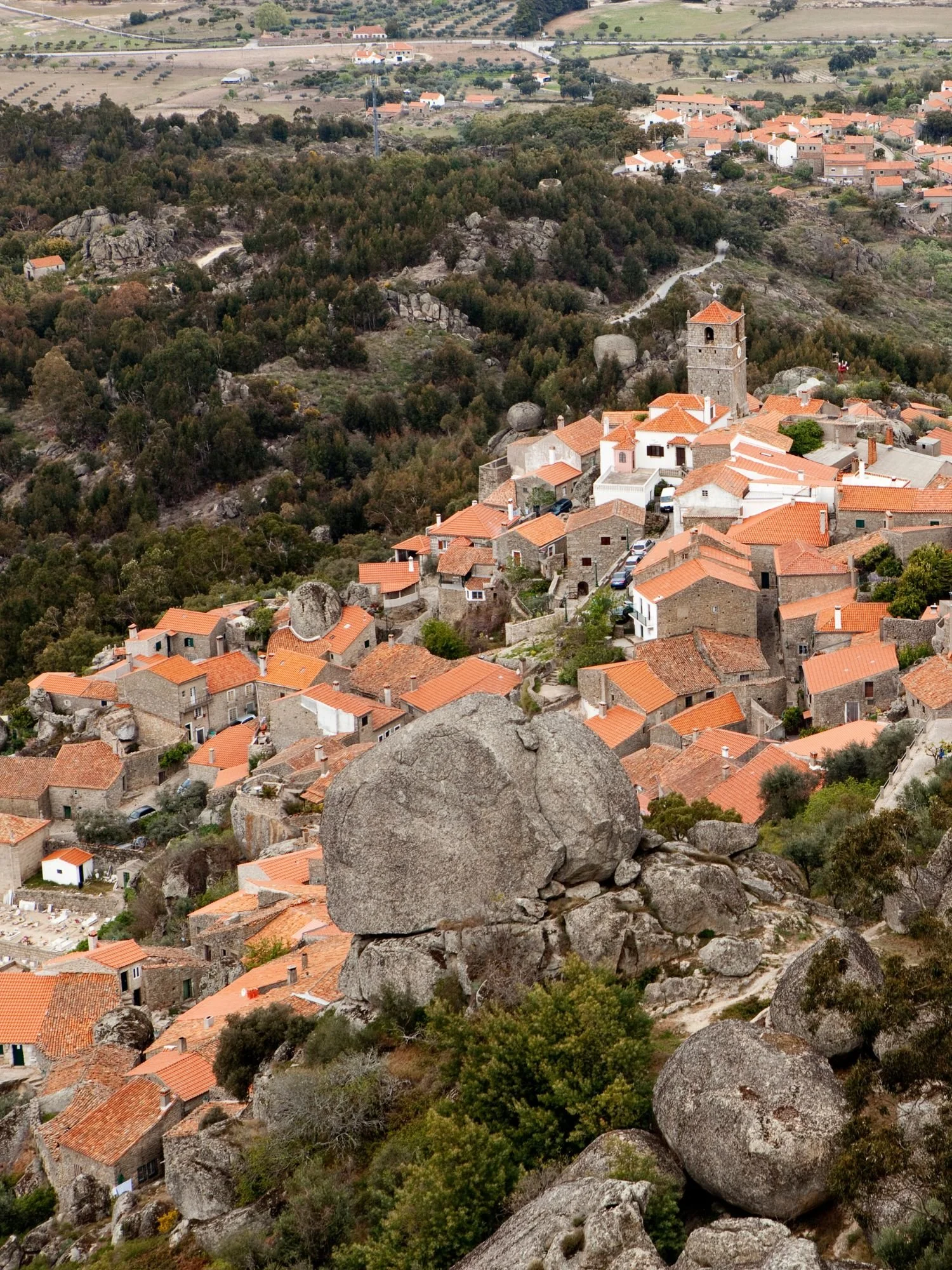
Monsanto is a rare example of architecture shaped directly by the landscape. Here, centuries-old stone houses are built around and between massive granite boulders, creating a village that feels both dramatic and deeply authentic.
4. Walking the Village Itself
Luxury clients consistently value unstructured exploration, provided they feel oriented and safe. Cobbled streets, stone houses, and local details create intimacy that large cities cannot.
Experiences That Elevate the Visit
To move beyond sightseeing, consider layering in:
Private local guides with regional specialization
Tastings of regional products in non-commercial settings
Lunches in traditional homes or discreet local restaurants
These experiences transform villages from historical curiosities into lived cultural encounters.
What to De-Emphasize
Not everything needs to be included.
Avoid:
Over-explaining historical timelines
Rushing between villages
Treating each stop as interchangeable
Each village should have a reason for being there.
Client-ready itineraries featuring Historic Villages are available fully white-label for travel advisors.