The Historic Villages of Portugal: How to Turn Heritage into High-Value Luxury Travel Experiences
Portugal is often sold through its headline destinations: Lisbon, Porto, the Douro Valley, and the Algarve. While these regions remain essential, they are no longer enough to truly differentiate a high-end itinerary.
For travel advisors working with culturally curious, well-traveled clients, Portugal’s Historic Villages represent one of the most effective ways to increase perceived value while avoiding a generic travel narrative.
This is not about adding more places. It is about adding meaning, context, and emotional contrast - elements that modern luxury travelers increasingly define as true luxury.
What Are the Historic Villages of Portugal?
The Historic Villages of Portugal are a curated network of fortified towns and rural settlements, primarily located in the country’s interior. Many date back to Roman, Visigothic, or medieval times and remain remarkably intact.
These villages were once strategic border outposts and regional centers of power. Today, they offer:
Preserved architecture and urban layouts
Deep historical narratives
Low tourism density
A sense of time, silence, and space that is increasingly rare in Europe
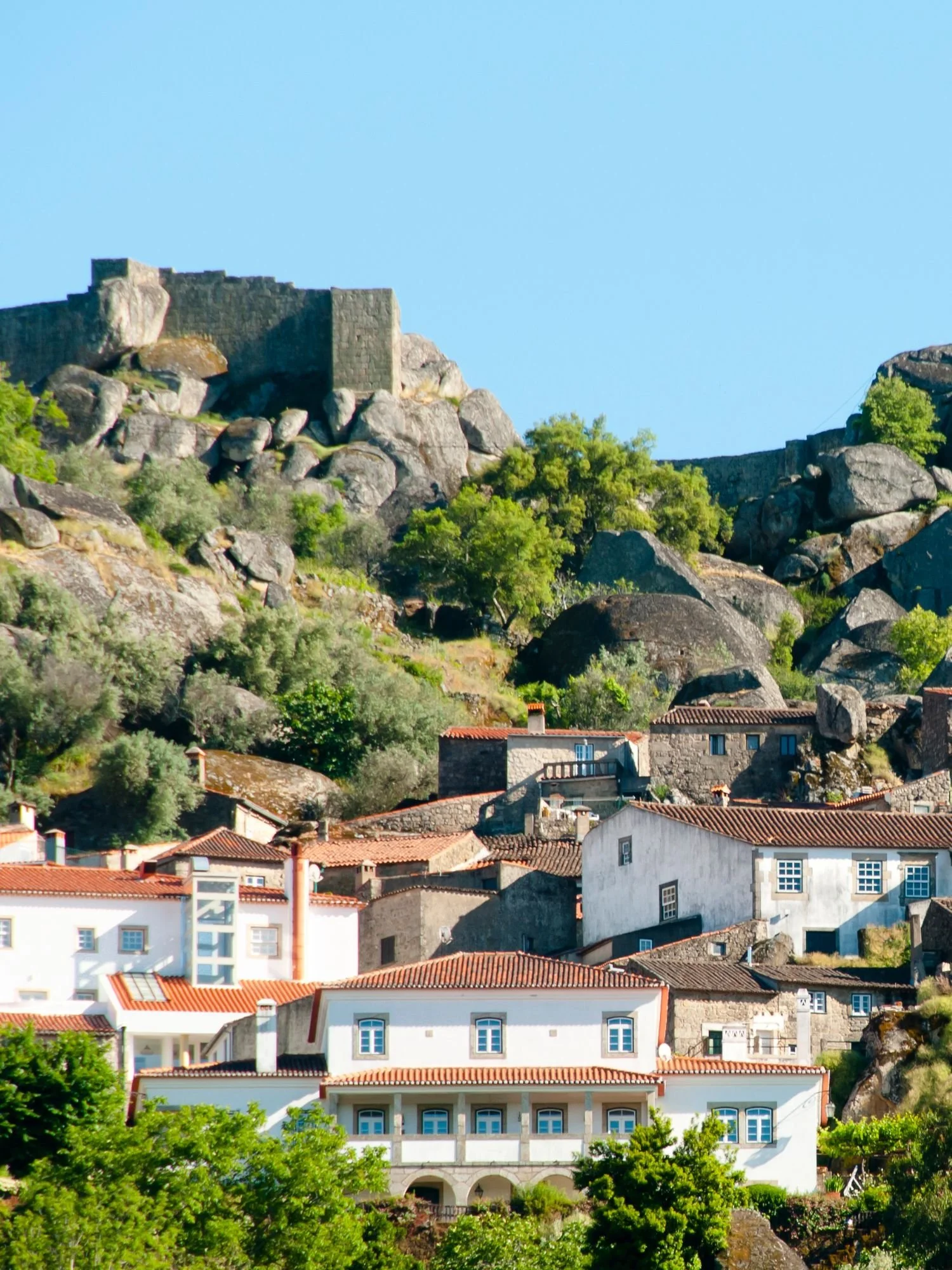
Monsanto, where centuries-old stone houses are built around natural granite boulders, offering a rare blend of medieval heritage, dramatic landscapes, and timeless rural Portugal.
Why Historic Villages Work So Well for Luxury Clients
Luxury travel is no longer defined by opulence alone. It is defined by access, authenticity, and emotional resonance.
Historic Villages deliver on all three:
Authenticity: These are lived-in places, not open-air museums.
Exclusivity: Low visitor numbers naturally create a private-feeling experience.
Narrative depth: Each village adds historical and cultural layers that elevate the overall itinerary.
For clients who have already visited Italy, France, or Spain multiple times, these villages offer something genuinely different - without sacrificing comfort when properly curated.
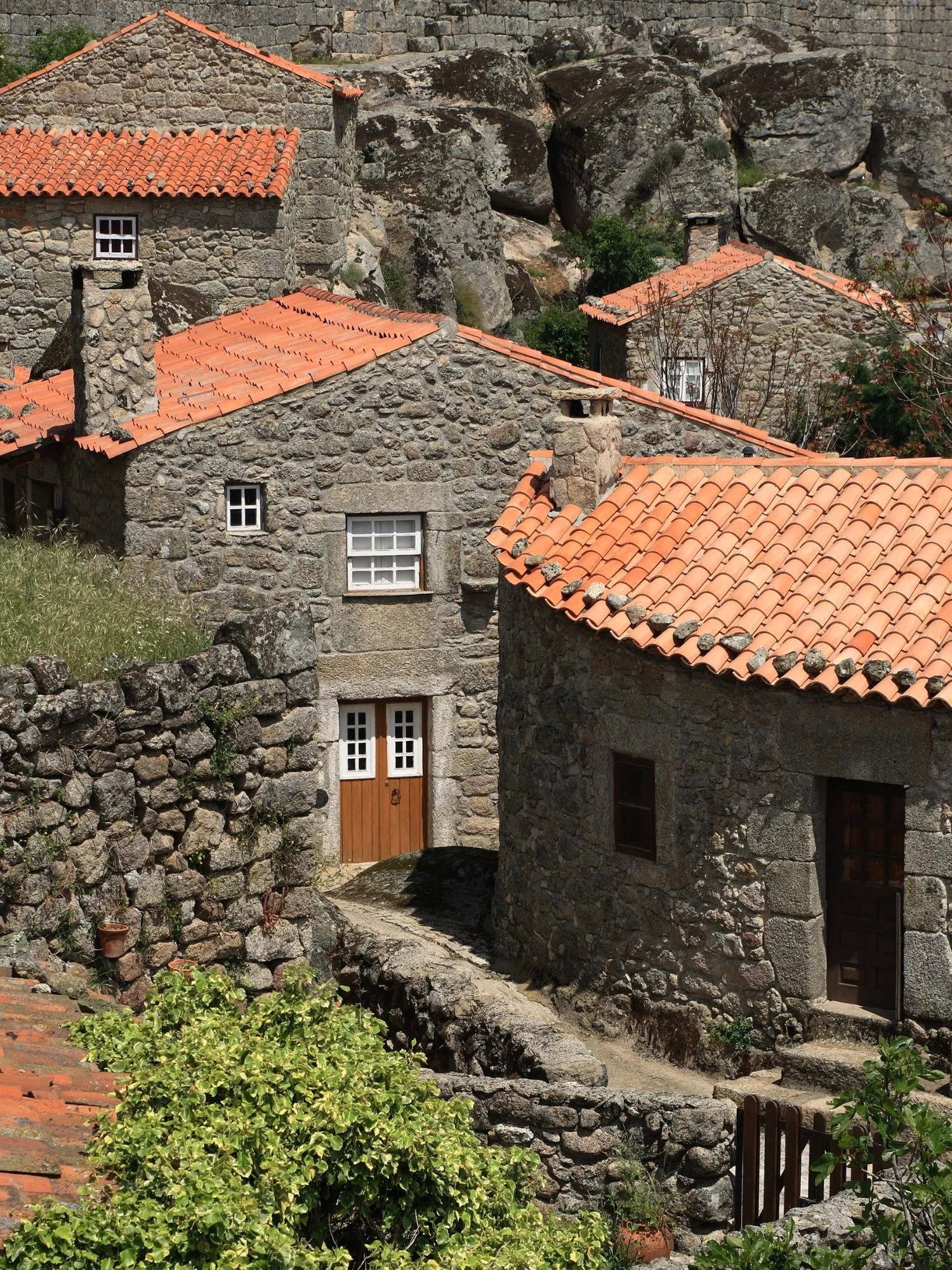
Sortelha is one of Portugal’s most intact medieval villages, where granite houses, narrow lanes, and fortified walls remain largely unchanged, offering a powerful sense of time, place, and quiet authenticity.
Where Agencies Often Get It Wrong
When Historic Villages fail to impress, it is rarely because of the destination itself. The issue is usually execution.
Common mistakes include:
Treating villages as quick photo stops rather than immersive experiences
Overloading itineraries with too many villages in too little time
Failing to provide historical context through knowledgeable local guides
Without proper pacing and storytelling, villages risk feeling repetitive or underwhelming.
How to Position Historic Villages Strategically
The most successful itineraries use Historic Villages as:
A cultural counterpoint to urban Portugal
A slow-travel interlude between major regions
A moment of calm after high-sensory destinations like Lisbon or Porto
When positioned correctly, they become the emotional anchor of the journey - the part clients talk about long after they return home.
Advisor Takeaway
Historic Villages are not an add-on. They are a value amplifier.
Used well, they:
Differentiate your Portugal offering
Increase perceived exclusivity
Strengthen your role as a cultural curator, not just a trip planner