Beyond the Douro: Five Portuguese Wine Regions Your Clients Haven't Heard Of
Portugal has fourteen demarcated wine regions. Your client has heard of one.
That isn't a knowledge problem. It's a pricing problem, and it's yours, not theirs.
Why "Portugal wine trip" defaults to the Douro, and why that costs you
The Douro is genuinely extraordinary, which is exactly why it's a difficult thing to sell at a premium. When a client asks for a Portugal wine trip, they mean the Douro. When your competitor quotes the same client, they quote the Douro. Two nights in Pinhão, a quinta lunch, a river boat.
Line for line, the two proposals match. At that point the only variable left is price, and you're defending a number instead of presenting an idea.
The fix isn't to drop the Douro. It's to know what else is genuinely sellable, so your proposal contains at least one thing the other one doesn't. Below are five regions that clear that bar.
Alentejo: the one that sells itself once they see it
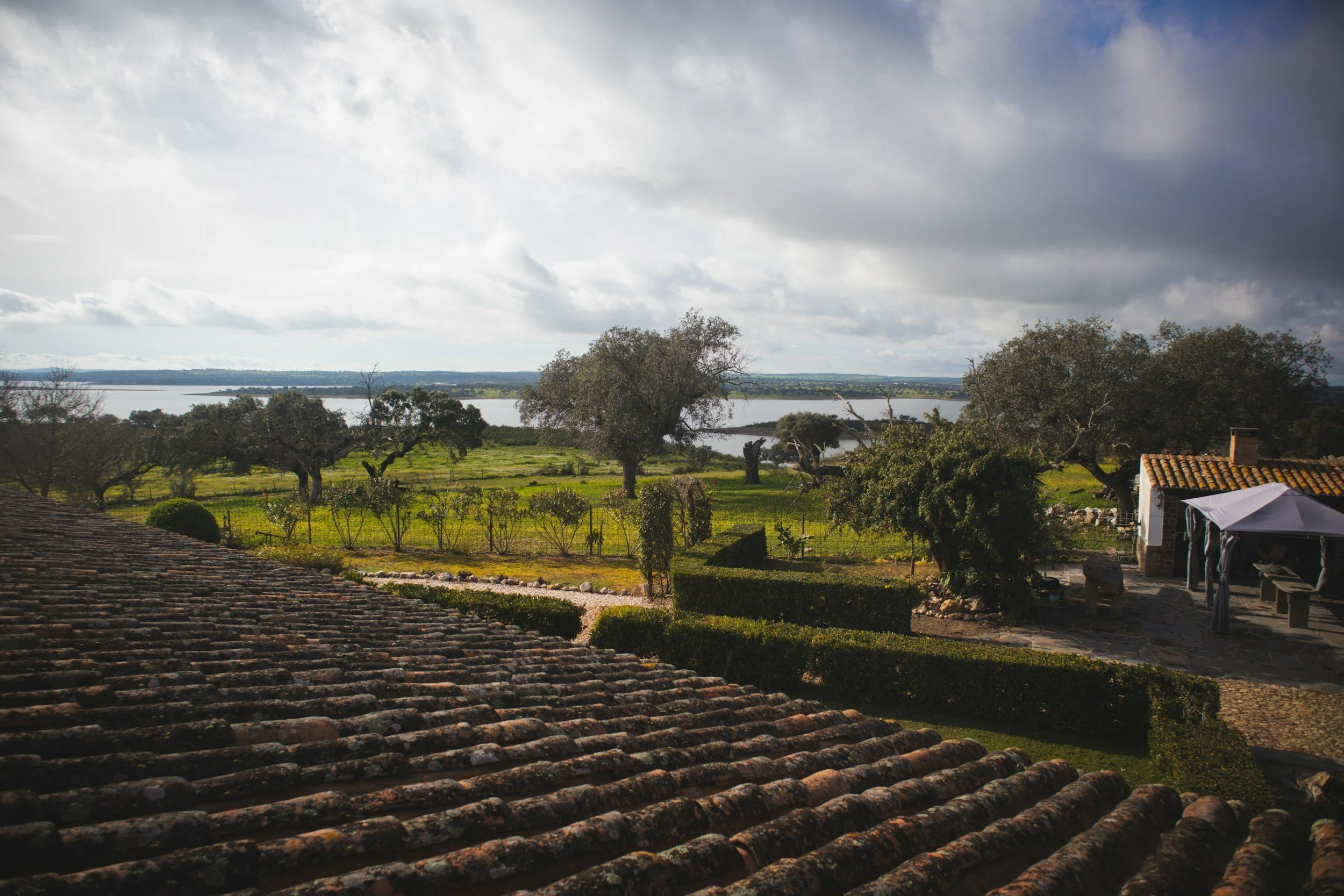
Nearest gateway: Lisbon · Drive time: ~1h30 to Évora · Minimum nights: 2 · Best months: April–June, September–October
South and east of Lisbon, the country stops being vertical. The Alentejo is cork oak, wheat, and a horizon that goes on long enough to change how people talk. It's roughly a third of mainland Portugal, and it holds a fraction of the population, which is the entire point for a client who wants space.
The insider argument:talha winemaking. Wine fermented and aged in enormous clay amphorae, buried or standing in cellars, a technique that runs in an unbroken line back to the Romans who did it here first. It nearly died out in the twentieth century. It's been brought back, and a handful of producers now make serious wine this way.
Who it's for: the client who says they want to "slow down." The client on a second Portugal trip. Honeymoons. Anyone travelling with more than one generation.
Why it works commercially: estate-scale properties mean privacy without an ultra-luxury rate card, and the short transfer from Lisbon means it earns its nights instead of spending them on the road.
Dão: Portugal's Burgundy argument
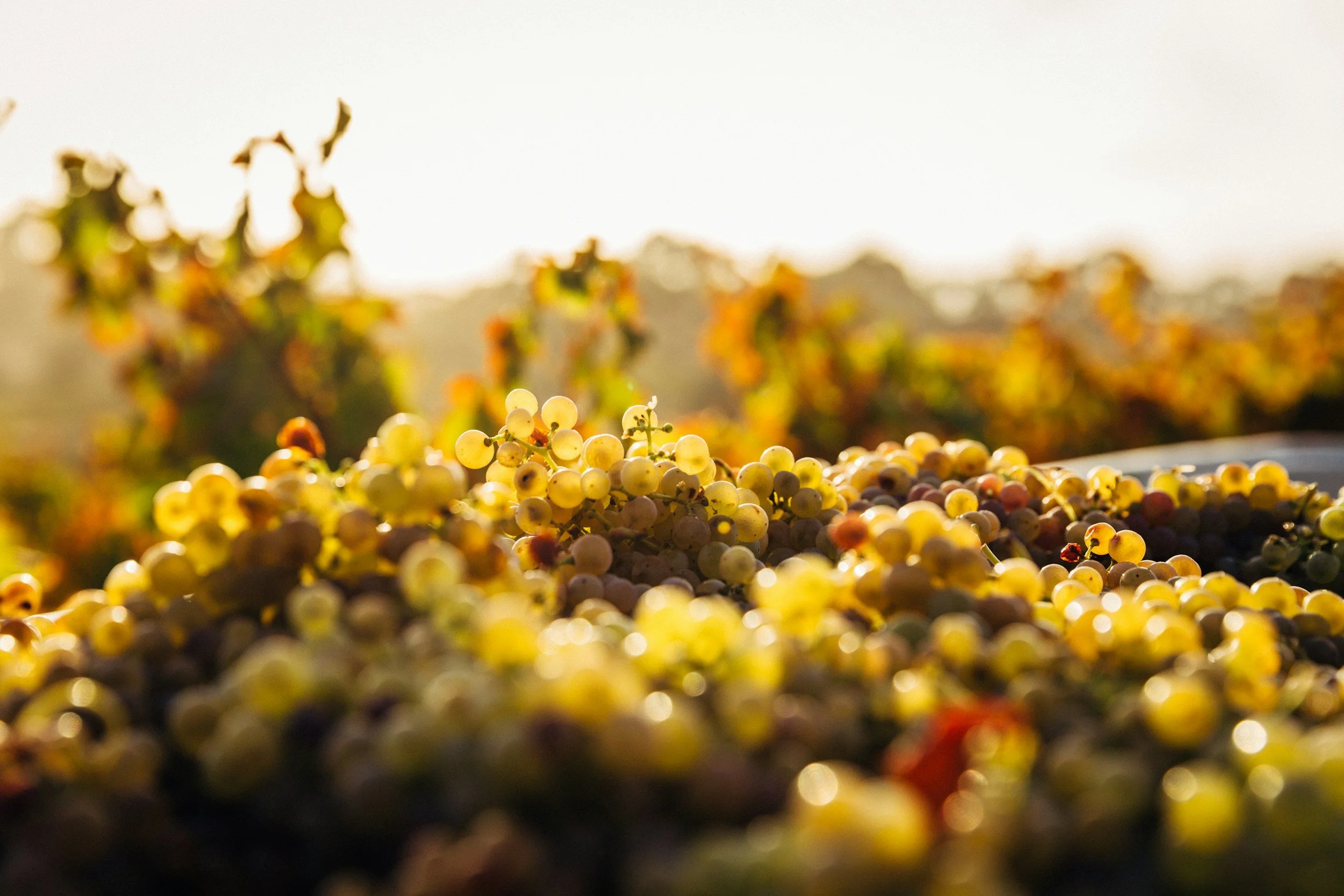
Nearest gateway: Porto or Lisbon · Drive time: ~1h30 from Porto, ~2h30 from Lisbon · Minimum nights: 2 · Best months: May–June, September–October
The Dão sits inland on granite, ringed by mountains and sheltered by the Serra da Estrela. Altitude, cold nights, poor soil. It makes wines that are structured and restrained rather than big and warm, the polar opposite of what most clients expect from a hot southern European country.
The insider argument: this is the answer to "I don't really like big reds."
That sentence kills more wine itineraries than budget does. Advisors hear it, assume the client isn't a wine client, and quietly downgrade the trip. The Dão reverses it. It's Touriga Nacional's home ground, and in the right hands it produces exactly the kind of cool-climate elegance that a Burgundy or Piedmont drinker recognises immediately, at a fraction of the ceremony and none of the queue.
Who it's for: the genuinely serious wine client. The client who has "done" the famous regions and is bored. The comparison shopper you need to surprise.
Why it works commercially: it is the least-visited of the five by American travellers, which means access is easier, and the experience is uncrowded.
Bairrada: sparkling, suckling pig, and one hour from Porto

Nearest gateway: Porto · Drive time: ~1h · Minimum nights: 1, or a full day trip · Best months: year-round
Bairrada is clay and Atlantic influence, between Coimbra and the coast. Two things define it: a long, serious tradition of traditional-method sparkling wine, and leitão da Bairrada (suckling pig roasted).
The insider argument: it's the highest-value insert in Portugal. Because it sits an hour from Porto, it converts a dead day into the day your client talks about. No new hotel, no repacking, no lost afternoon.
Sparkling wine at the start of a Portugal trip also does something useful psychologically: it breaks the client's assumption that they're about to drink nine days of port. It resets the whole itinerary in one lunch.
Who it's for: clients already committed to Porto. Shorter trips. Anyone whose itinerary has a soft spot in it that you can't quite justify.
Why it works commercially: maximum perceived value per hour of transfer. It is, frankly, the easiest upgrade in this article.
Colares: vines growing in sand, inside Sintra

Nearest gateway: Lisbon · Drive time: ~40 min · Minimum nights: 0 (half-day) · Best months: year-round
This one is small, strange, and almost nobody proposes it.
Colares sits on the Atlantic edge of the Sintra-Cascais park, and its vines grow in sand, deep sand, right up against the ocean. When phylloxera destroyed the vineyards of Europe in the nineteenth century, the louse couldn't survive in it. The vines here were never grafted onto American rootstock. They are, in the most literal sense, what European wine was before the catastrophe.
The region is tiny and it's shrinking, squeezed by property values and the sheer difficulty of the work. Which makes it exactly the kind of thing your client will remember: not the best wine of their trip, necessarily, but the only one with a story that stops the table.
The insider argument: your client is going to Sintra. Every Portugal itinerary sends them to Sintra, and every Portugal itinerary sends them to the same three palaces with the same four thousand other people.
Colares is forty minutes from Lisbon, inside the same park, and it is a completely different day. Pre-phylloxera ungrafted vines in Atlantic sand, Ramisco and Malvasia, and a producer who will explain why nobody else does this. Then the palaces, if they still want them.
Who it's for: Lisbon-anchored clients. Repeat visitors. Anyone whose proposal needs one thing the competitor's doesn't. Wine-serious clients who will understand what "ungrafted" means before you finish the sentence.
Why it works commercially: it costs a half-day, and it differentiates the whole proposal.
Península de Setúbal: Moscatel, Arrábida, and the day trip that isn't Sintra
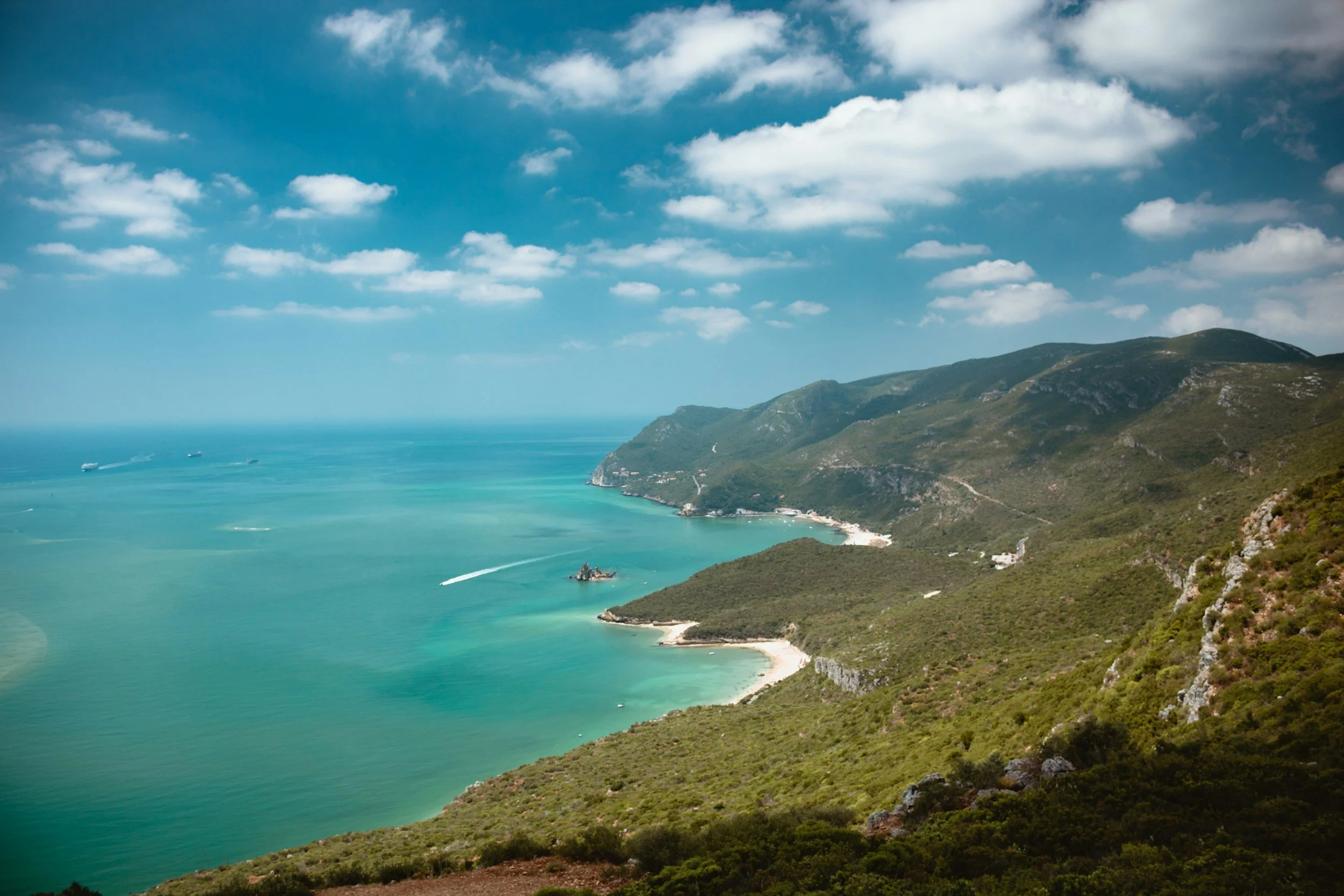
Nearest gateway: Lisbon · Drive time: ~40 min · Minimum nights: 0–1 · Best months: April–October
Across the Tagus from Lisbon, the Setúbal peninsula holds the Serra da Arrábida, a limestone ridge dropping into water that is genuinely, improbably turquoise, and a fortified Moscatel tradition that predates most of what your client thinks of as dessert wine.
The insider argument: it's the answer to the second Lisbon day.
Every advisor knows the first Lisbon day trip is Sintra. Very few have a strong answer for the second, which is why so many itineraries pad it with another neighbourhood walk. Setúbal is a real alternative: aged Moscatel in a cellar, lunch on the Arrábida coast, and a landscape that most people don't know exists forty minutes from a European capital.
Who it's for: clients with three-plus nights in Lisbon. Repeat visitors. Clients travelling in shoulder season who want coast without committing to the Algarve.
Why it works commercially: it solves a structural weakness in almost every Lisbon itinerary in the market.
How to sequence any two of these without wrecking the pacing
The temptation, having read the above, is to build a trip that includes all of them. Don't. Portugal punishes greed with 7 a.m. transfers, and your client will come home and describe the trip as "a lot."
Three rules that hold almost every time:
Two wine regions per nine days. Three is the ceiling, and only with the Douro at three nights.
Don't cross the country twice. One north-to-south (or south-to-north) run. If the itinerary doubles back, cut a region.
Half-day regions are free. Overnight regions aren't. Colares and Setúbal add differentiation without spending nights. Alentejo, Dão and the Douro each cost two to three nights. Budget accordingly.
Want the full Portugal Wine Map? Drive times, minimum nights, best months, and the access notes, as a white-label PDF under your logo? Send a brief!.