Douro Harvest 2026: What Advisors Need to Know Before They Quote
Your client saw the Douro somewhere, a feed, a friend, a magazine, and now they want to be there for the harvest. It's a good instinct. It's also the single hardest thing to sell in Portugal without a partner on the ground, because almost everything about it is moving: the dates, the availability, and the gap between what "harvest experience" means to your client and what it actually means at a working quinta.
This is the operational picture, so you can quote it with confidence rather than hope.
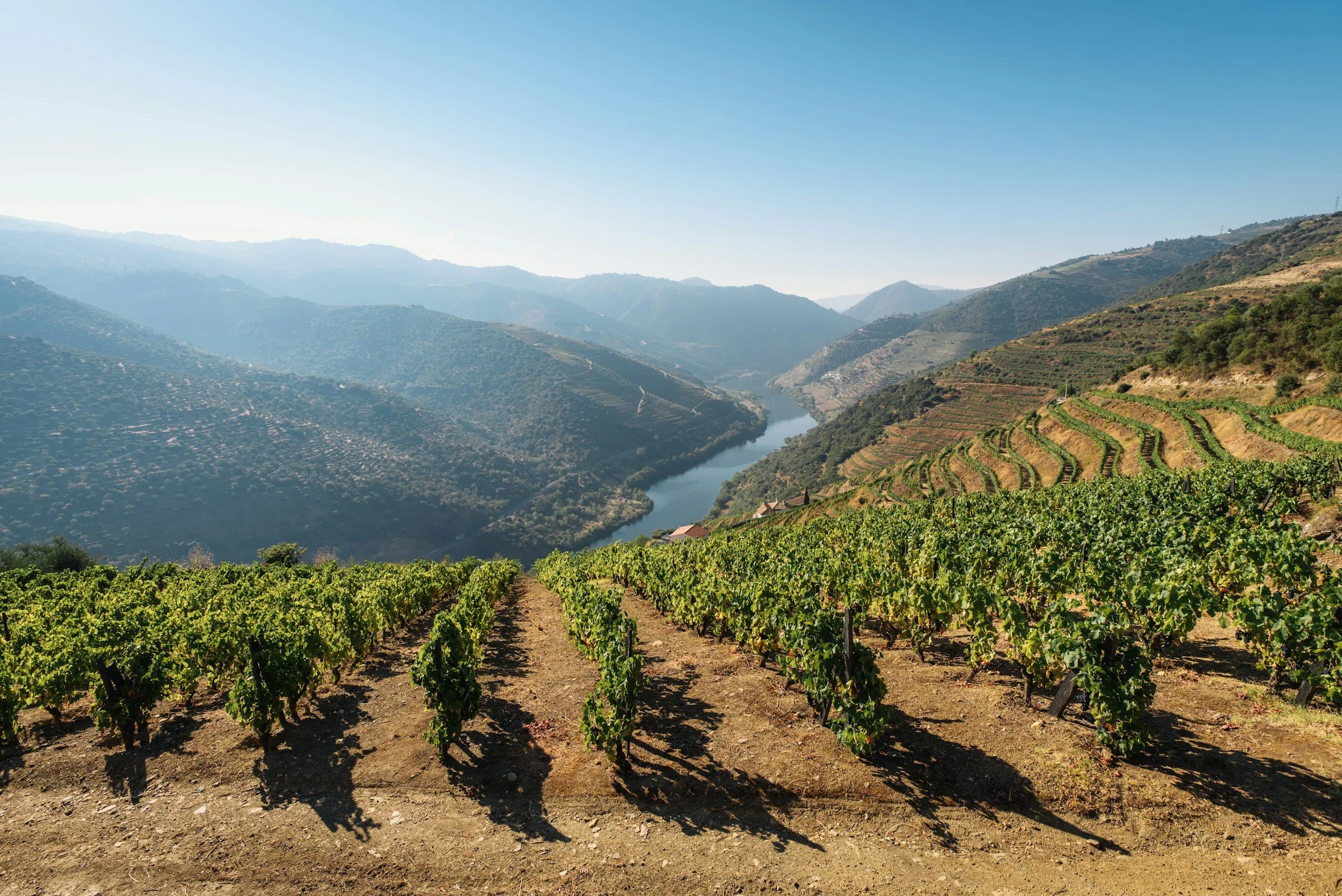
When will the 2026 vindima actually happen, and why has the date moved?
The Douro harvest, the vindima, generally runs from mid-September into early October. That's the honest answer. The precise answer doesn't exist yet, and won't until close to the date.
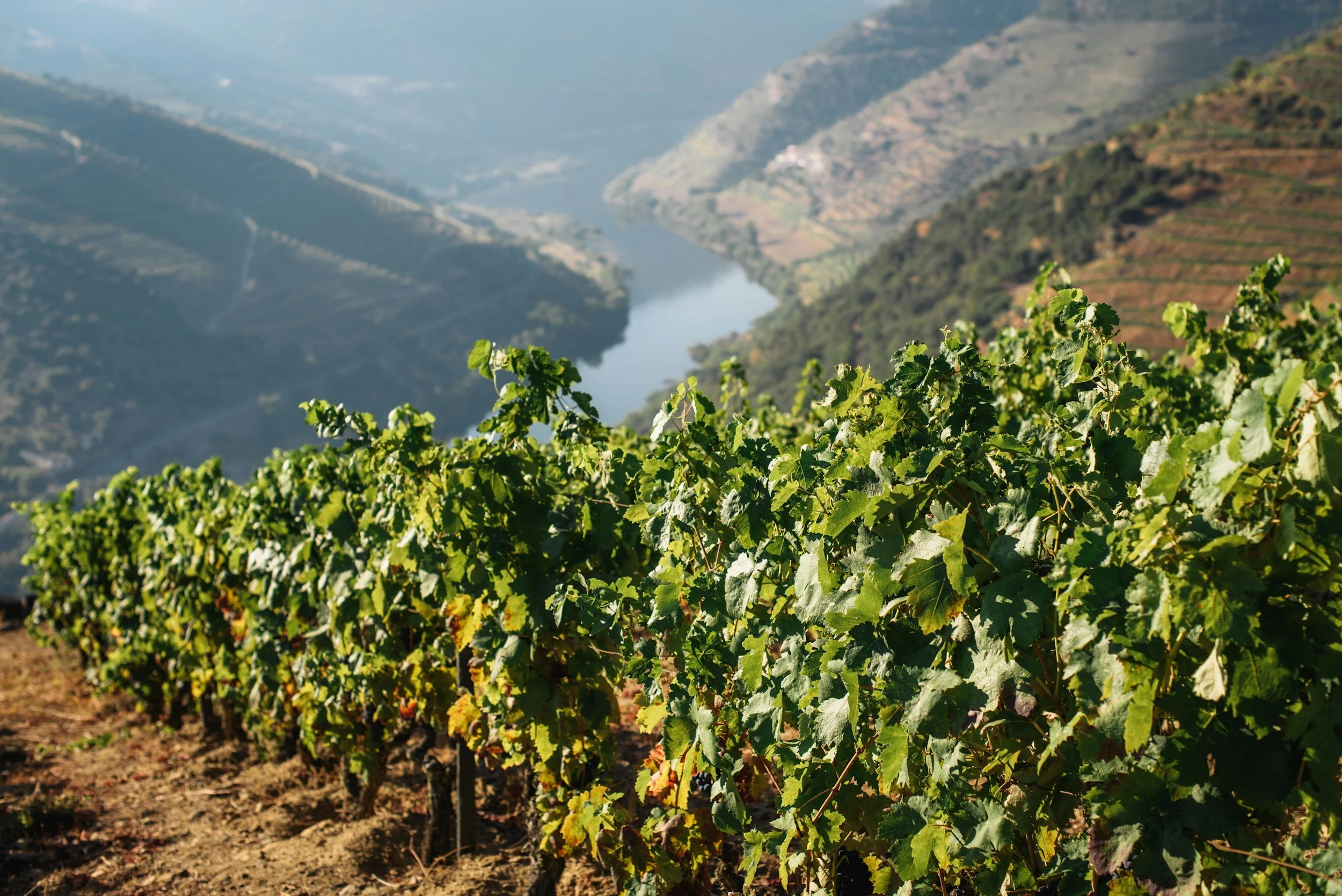
Harvest isn't scheduled by calendar. It's called by sugar levels, acidity, and the weather in the preceding fortnight. A hot summer pulls it forward; a wet September pushes it back. The Douro is also three sub-regions with three different clocks. The hotter, drier reaches upriver typically pick before the cooler, wetter western end. Two estates ninety minutes apart can be a week apart on the vine.
What this means for your proposal:
A client who books "harvest week" with fixed international flights in June is booking a probability, not a certainty.
The safest window to sell is the last week of September into the first days of October, the highest likelihood of active picking across the widest range of estates.
If your client's dates are immovable, say so early. The itinerary should be built so it stands up regardless. A great trip that happens to catch the harvest, not a trip that collapses if it doesn't.
Three tiers of harvest access
"Harvest experience" is doing a lot of work in most itineraries. It covers three genuinely different products at three genuinely different price points, and your client cannot tell them apart from a description. You can.
Tier 1: The scheduled winery visit. A tour and tasting at an estate that receives visitors during harvest season. Grapes are moving. Your client watches. Your client can book this themselves in about four minutes. If it's in your proposal at a premium, you have a problem.
Tier 2: The private quinta visit. A closed-door tasting, often with a family member or the winemaker, at an estate that isn't set up for general visitors. Lunch on a terrace over the terraces. Your client is a guest, not a ticket. This is the floor for a luxury proposal. It's defensible, it's memorable, and it's where most well-built Douro itineraries sit.
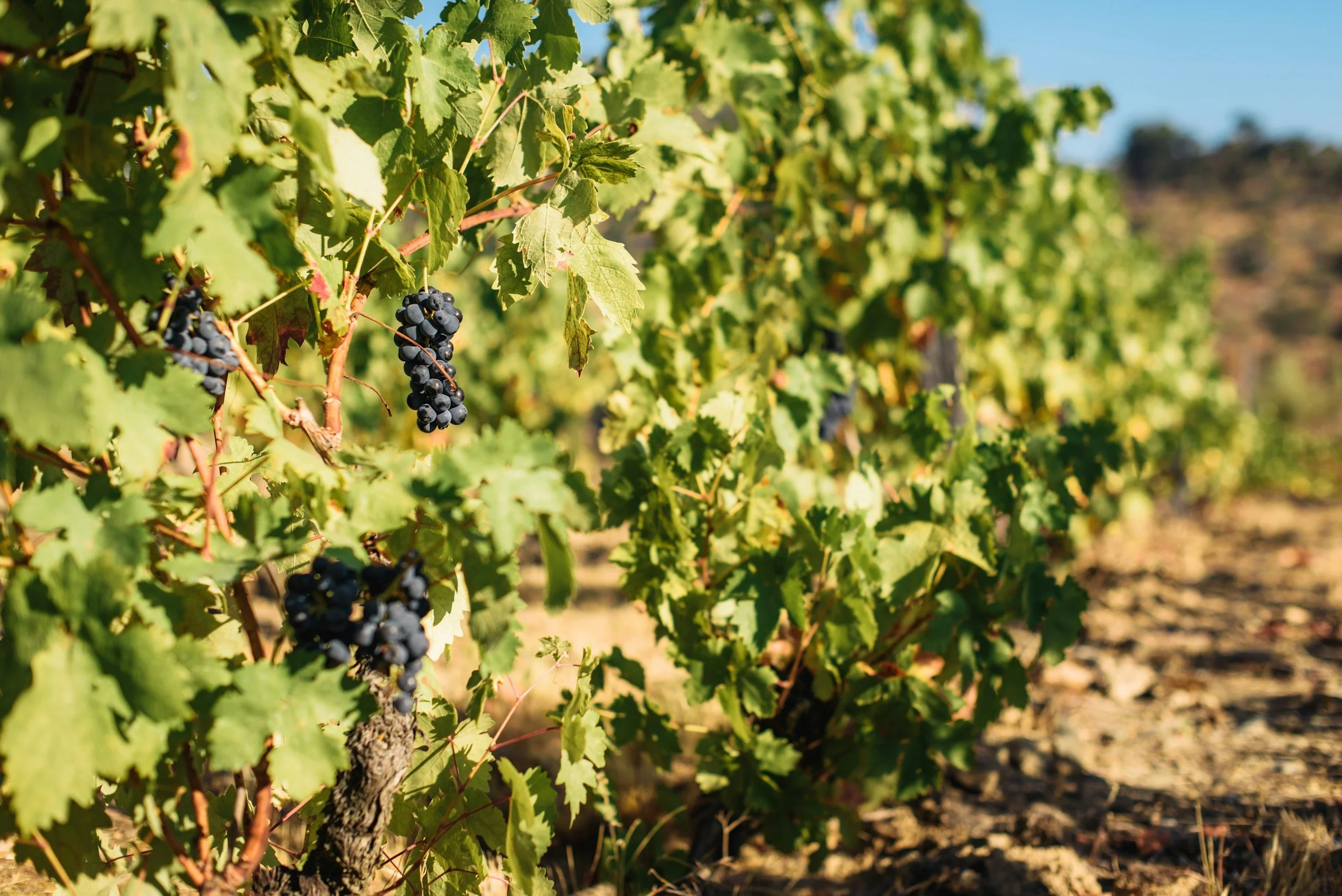
Tier 3: The working harvest. Your client stays on the estate, goes into the vineyard with the pickers in the morning, and treads the lagar after dinner. Barefoot, in granite, with the family. This is not a demonstration staged for guests. It's the actual production of the wine, and your client is briefly part of it. This is the hero moment. It is also the one that carries the constraints below.
The number of estates that genuinely offer Tier 3 to outside guests during a working harvest is small, dozens across the whole valley, not hundreds. They have limited beds. They are booked by people who booked last year.
What books are out first, and by when?
In rough order of scarcity:
Quinta suites at estates that host during harvest. Some properties have six rooms. Six. When they're gone, they're gone, and no amount of relationship moves a wall.
Tier 3 access itself, independent of the room. Working-harvest participation is often capped per day because a vineyard full of guests stops being a vineyard.
Guides with real wine credentials who work in English. Harvest season is when every operator in Portugal wants the same twenty people. A generic city guide in the Douro during vindima is a wasted day.
Private drivers on the Porto ↔ Pinhão corridor. The road is slow, the season is compressed, and the good drivers are contracted early.
River lunch and boat access. Less scarce, but the good options are.
Realistic lead times for 2026: Tier 3 with an on-estate stay should be locked eight to twelve weeks out. Tier 2 with a strong hotel is workable at four to six weeks. Inside four weeks, it becomes a question of what's genuinely available rather than what's ideal, and that's a conversation to have with your client before you promise, not after.
The three questions that decide the itinerary
Before anything gets quoted, three answers do most of the design work.
1. Does your client want to watch or to work? This is the Tier 2 / Tier 3 fork, and it's a personality question, not a budget question. Plenty of high-spend clients want the terrace, the view, and someone else's feet in the lagar. Asking directly saves a rewrite: "Some of our guests want to be in the vineyard at 7 a.m. Some want to be on the terrace at 11. Which are you?"
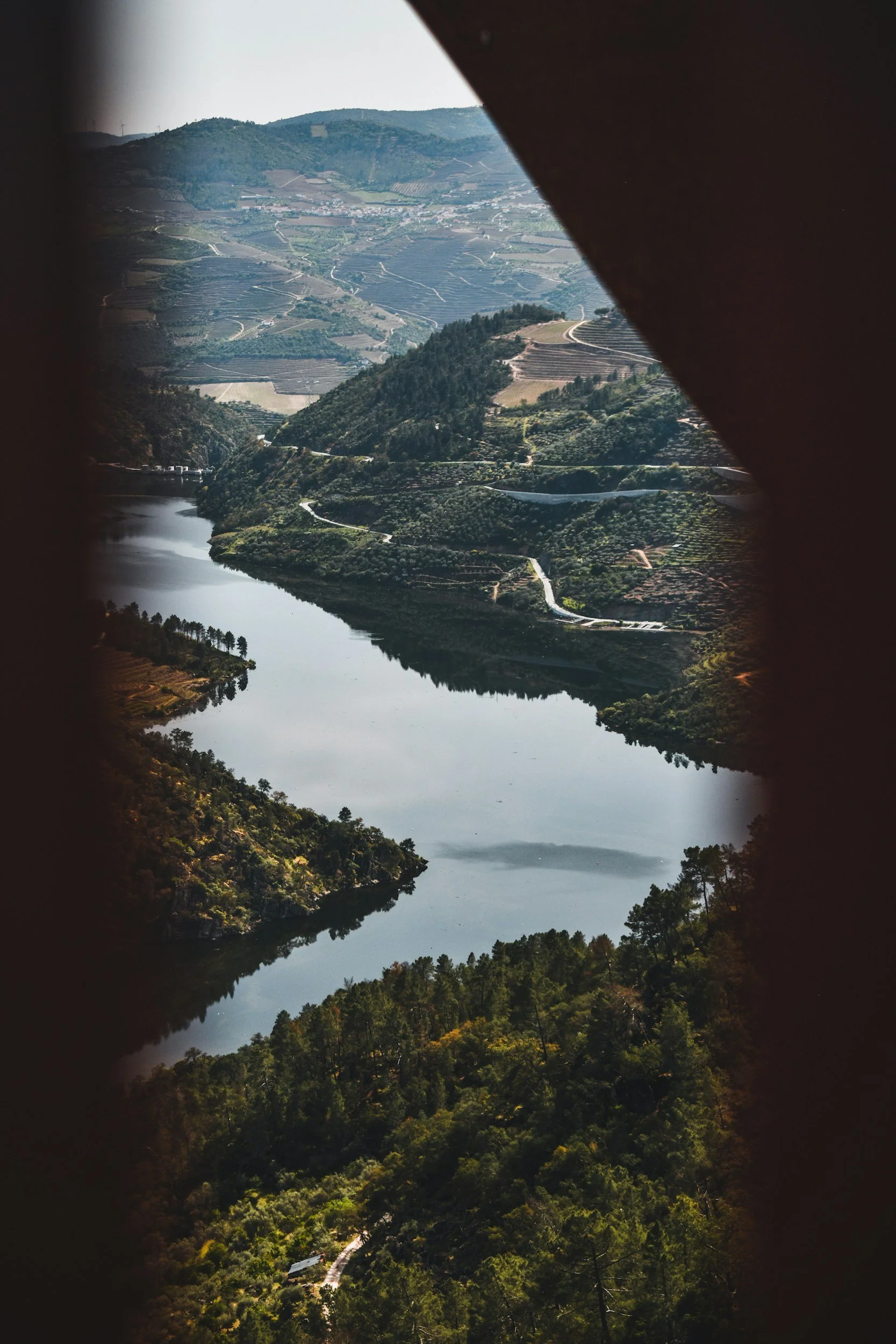
2. River-facing or vineyard-facing? The Douro's best-known properties sit on the water. Some of its best experiences sit up in the terraces, twenty minutes above it, with no river view at all. Clients who've seen the photographs assume the two are the same thing. They're not, and the choice changes the shortlist entirely.
3. Is Porto a bookend or a destination? If Porto is a real stop, the Douro needs three nights, and the trip needs nine days. If Porto is an arrival and a departure, the Douro can carry the weight. Deciding this at the brief stage prevents the most common failure in Portugal itineraries.
Pacing: why two nights in the Douro is usually a mistake
Porto to the heart of the Douro is roughly two hours by road. Two nights mean one full day. That full day has to absorb a quinta visit, a lunch, a second tasting, and a drive, which means the day starts at 8 a.m. and ends with your client in a car at dusk, having seen a great deal and felt very little.
Three nights is the minimum for a Douro that lands. It buys one slow morning, and the slow morning is what your client will describe when they get home.
If the trip can't accommodate three nights in the Douro, the honest recommendation is often to move the wine focus elsewhere in Portugal, closer to Lisbon, with shorter transfers and the same quality of access. There are five regions worth that conversation.
What we handle behind the scenes
You don't need to become a Douro specialist to sell a Douro harvest. You need one:
One point of contact in Portugal. Not a call centre, not a booking form. One person who knows which estates are picking in your client's week.
Client-ready materials under your logo. Your itinerary, your brand, your document. Your client never learns our name.
Contingency written in before your client sees the plan. If the harvest shifts, the trip doesn't. The alternative is already in the itinerary. It just doesn't announce itself as an alternative.
On-the-ground support for the week they're travelling. Weather, a closed road, and an estate that has a difficult morning. Handled locally, proactively, without an email to you at 3 a.m. Eastern.
Vindima 2026: mid-September to early October. The window for eight-to twelve-week lead times closes in the next few weeks.
Send a brief and get a proposal-ready harvest plan in 48 hours.