Madeira or the Azores? A Quick Guide for Advisors
Portugal's islands are a world apart from the mainland, and from each other. Both are volcanic. Both are green. Both offer something the continent doesn't. But the pace, the mood, and the experience are different enough that pointing a client to the wrong one can mean a disappointing trip. Here's how to tell them apart, and how to match each to the traveler in front of you.
Madeira: The Accessible One
Madeira is a single island, compact and well set up for visitors. Funchal, the capital, is a proper city with good restaurants, hotels at every price point. Tourism here goes back to the 19th century, and the infrastructure shows it. Getting around is easy; you can drive the length of the island in about ninety minutes.

The landscape is the draw. Madeira rises steeply from the ocean, and the interior is dense laurel forest, deep valleys, and peaks above the clouds. The levada walks, trails that follow centuries-old irrigation channels through the mountains, are the best way to see it, with routes for every fitness level.
The food centers on the sea: espetada (beef skewered on a laurel branch, grilled over charcoal), peixe espada (black scabbardfish, usually served with banana), and poncha (a traditional, strong alcoholic cocktail, made by mixing sugarcane rum, honey or sugar, and fresh citrus juice).
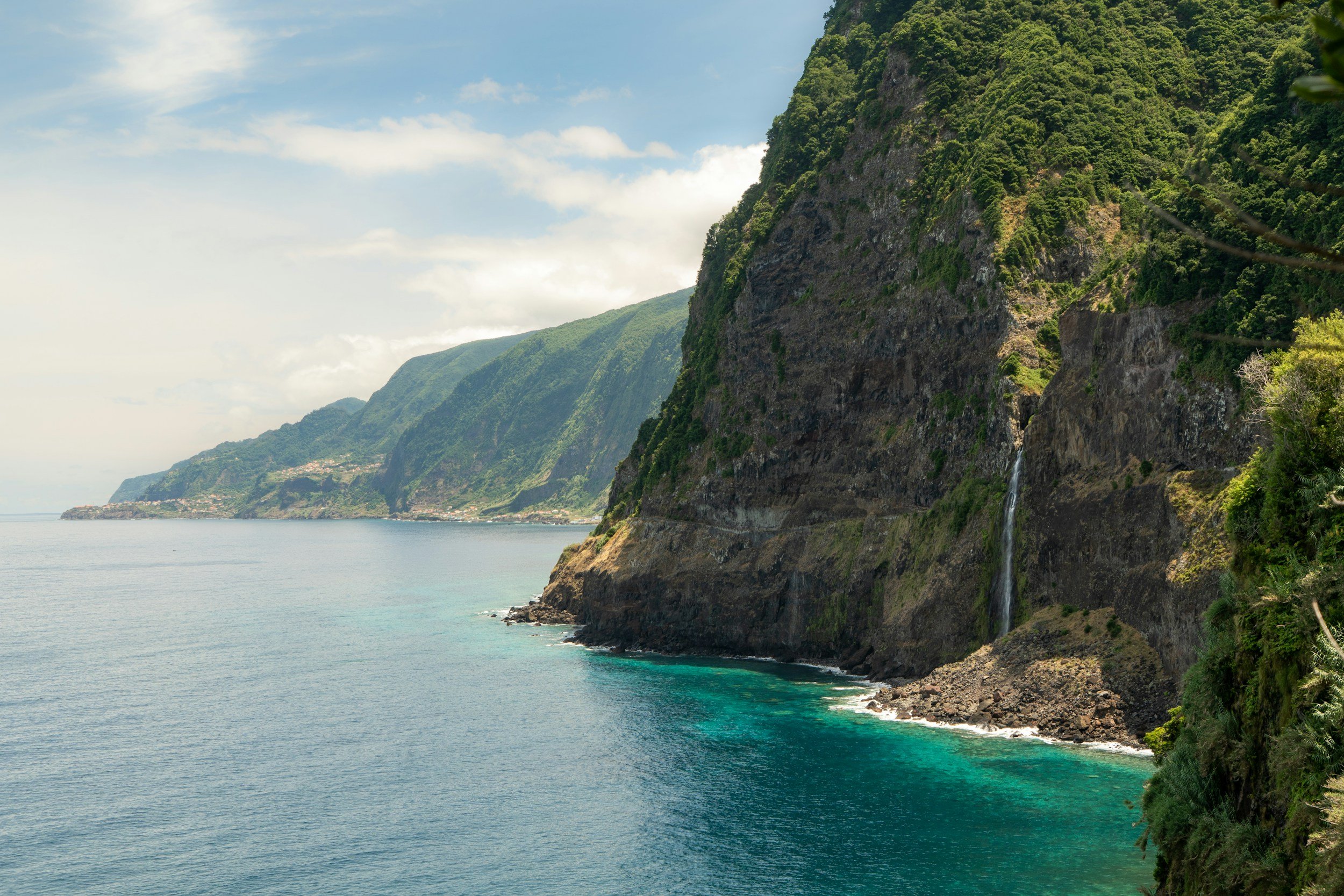
What to tell your client: Madeira suits travelers who want nature and walking combined with comfort, good food, and easy logistics, and it's excellent in winter, when temperatures rarely drop below 16°C.
The Azores: The Wild One
The Azores are nine islands scattered roughly 1,500 km west of Lisbon. Most trips start on São Miguel, the largest and most accessible; from there, some clients island-hop to Terceira, Faial, Pico, or Flores, each with its own character.
The landscape feels active: crater lakes in green and blue, hot springs steaming in the forest, fumaroles hissing beside the road. On São Miguel, cozido das Furnas (a stew cooked underground using geothermal heat, buried beside a volcanic lake) is genuinely good, not just a gimmick.
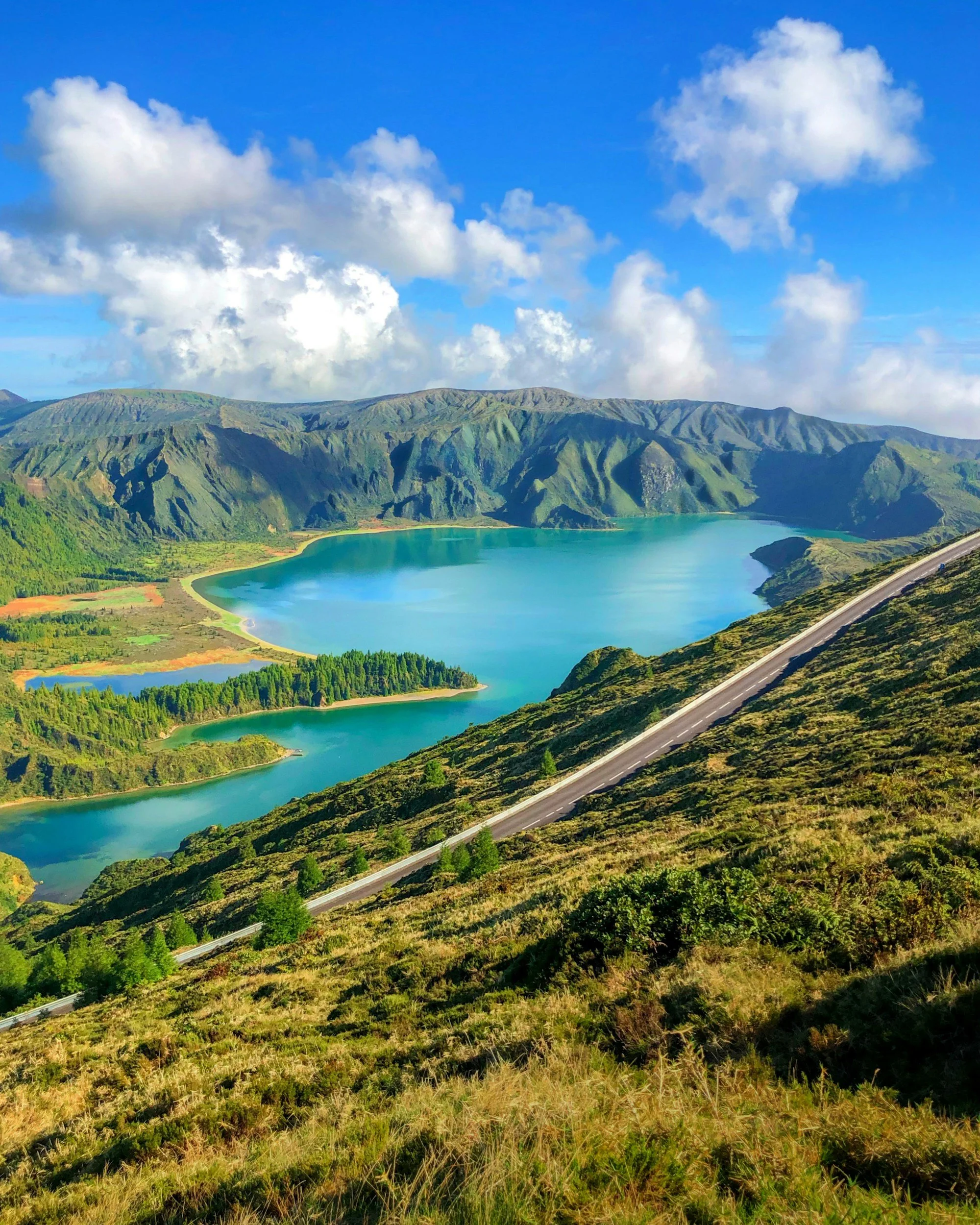
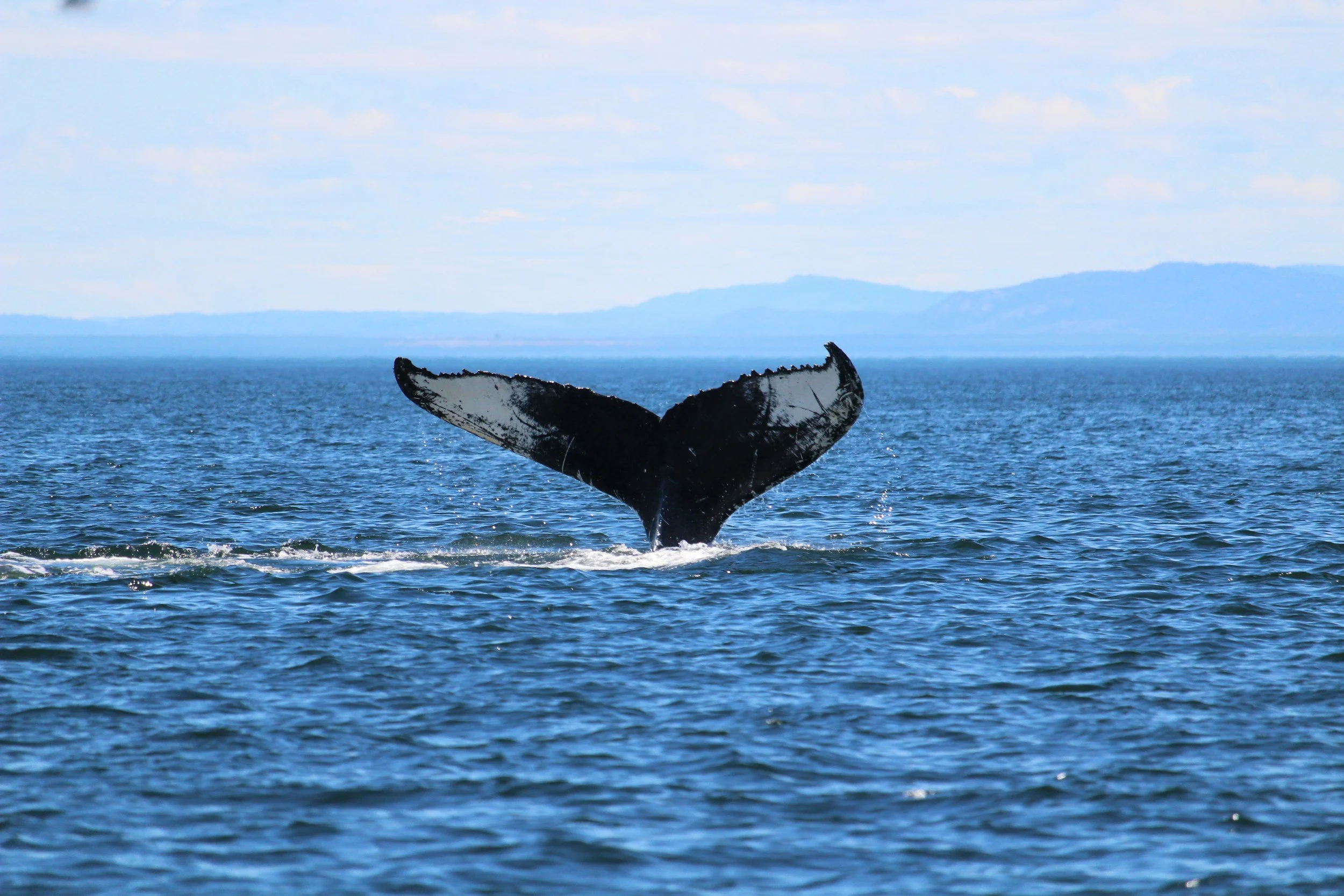
The islands are wilder and less developed than Madeira. Towns are small, restaurants are simple, and weather changes fast. Fog and rain can move in without much warning. Whale watching is a major draw, with sperm whales, blue whales, and several dolphin species migrating through from April to October. Diving and snorkeling are excellent too.
What to tell your client: The Azores reward travelers who want raw nature, volcanic landscapes, and the feeling of being genuinely remote. It's a better fit for adventurous travelers or younger couples than for a client set on luxury hotels and fine dining.
Getting There
Both islands have direct flights from Lisbon, Porto, and several European cities. About 90 minutes to Madeira, roughly two and a half hours to São Miguel. Inter-island flights within the Azores run on SATA Air Açores. Schedules are frequent in summer but can thin out outside the high season, so island-hopping itineraries are worth building with some flexibility.
Bring Us the Brief
Islands add a layer of complexity that's easy to underestimate. Inter-island routing, weather-dependent activities, and a much smaller supplier network than the mainland. That's exactly where local control pays off: one point of contact who knows both islands, coordinates the logistics, and keeps the plan on track if the weather doesn't.