Portugal is a pleasure to explore through food. There are excellent restaurants in every major destination, a strong tradition of local cooking and plenty of opportunities for memorable meals.
Here's what to consider when organising dining in Portugal, especially for clients with particular dietary needs, tight schedules or high expectations.
Understanding Portuguese Meal Times
Portugal tends to eat later than many American travellers are accustomed to, although habits vary by region and restaurant.
Lunch is commonly eaten between noon and 2:30 p.m., while dinner often takes place between 7:30 p.m. and 10:30 p.m. Restaurant kitchens may operate within narrower service windows.
In Lisbon, Porto and busy resort destinations, it's often possible to find restaurants serving earlier or later. In smaller towns and rural areas, opening hours may be less flexible.
Reservations: Know Which Meals Need Planning
Not every restaurant in Portugal requires a reservation.
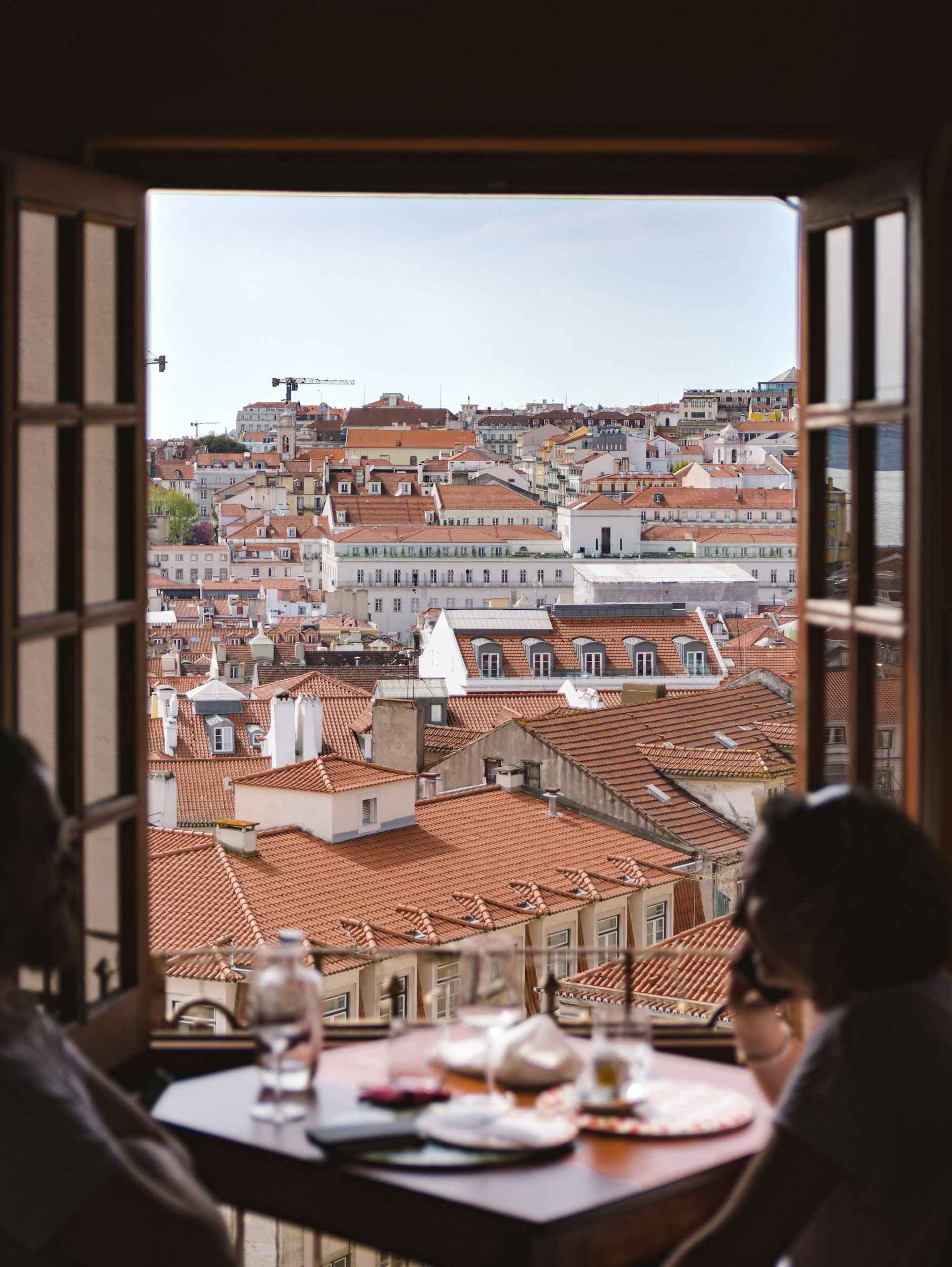
A casual neighbourhood lunch might be easy to arrange on the day, while a sought-after restaurant in Lisbon or a small dining room in the Douro may need considerably more notice.
The approach should depend on the client's preferences.
Someone who enjoys exploring independently may appreciate a shortlist of reliable options and the freedom to choose. A client travelling for a special occasion will probably expect a confirmed table.
One detail worth remembering is that a reservation request isn't necessarily a confirmation. During busy periods, especially for small restaurants, availability can change quickly.
Dietary Requirements: The Earlier, the Better
Portuguese cuisine offers plenty of variety, but traditional recipes aren't always obvious to visitors.
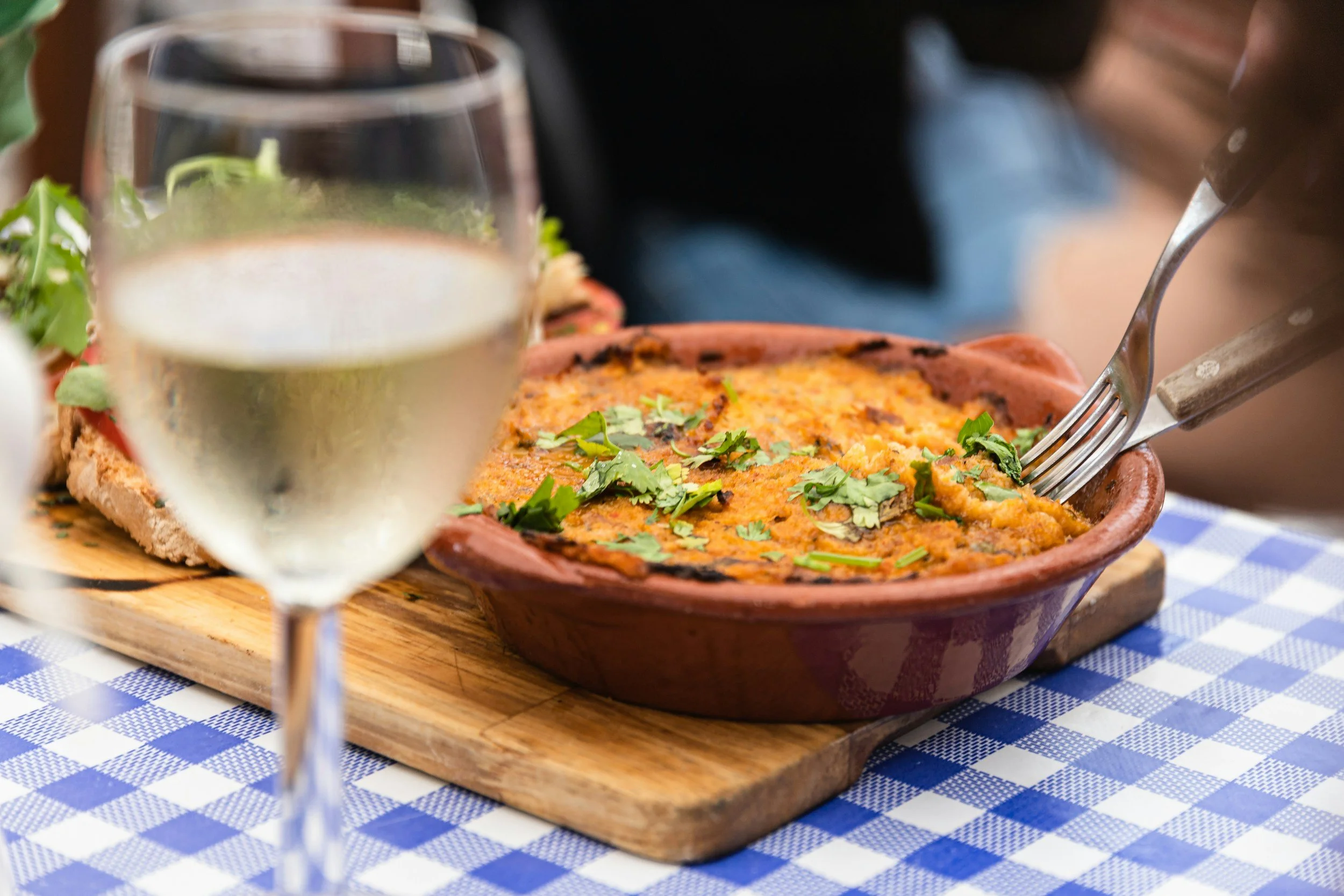
A vegetable soup may contain meat stock. A rice dish may include shellfish. A seemingly simple dessert may contain eggs, dairy or nuts.
For clients with dietary restrictions, knowing the name of the dish isn't enough.
The Small Details That Can Surprise Visitors
A few Portuguese dining customs are worth explaining before clients arrive.
Couvert isn't always complimentary
Restaurants often place bread, olives, cheese or other small items on the table at the beginning of a meal.
These are known as couvert and may be charged if consumed.
For someone unfamiliar with the custom, it can be surprising. A short note in the travel information is usually enough to avoid confusion.
Tipping is appreciated, not compulsory
Restaurant service is included in the bill, so tipping isn't obligatory in the way many American visitors are accustomed to.
Leaving around 5–10% for good service is customary, particularly in more formal restaurants, but clients should not feel obliged to follow a fixed percentage.
Meals may take longer than expected
In Portugal, lunch and dinner are often social occasions rather than something to finish quickly.
This is especially true in traditional restaurants and during tasting menus.
An unhurried meal can be one of the pleasures of a trip, provided the itinerary allows for it.
Dining With Confidence in Portugal
A successful restaurant experience involves more than securing a table.
It means choosing somewhere that suits the client, communicating important requirements and making sure the meal works within the rest of the day.
Portugal Travel Concierge supports travel advisors with local itinerary planning and coordination, helping them consider the details that aren't always obvious from a restaurant listing.