Fado: Portugal's UNESCO-Listed Soul: What Every Advisor Should Know Before Selling It
Selling an experience is easier when you can explain why it matters, not just what it is. Fado's backstory gives advisors exactly that kind of credibility.
Where it began
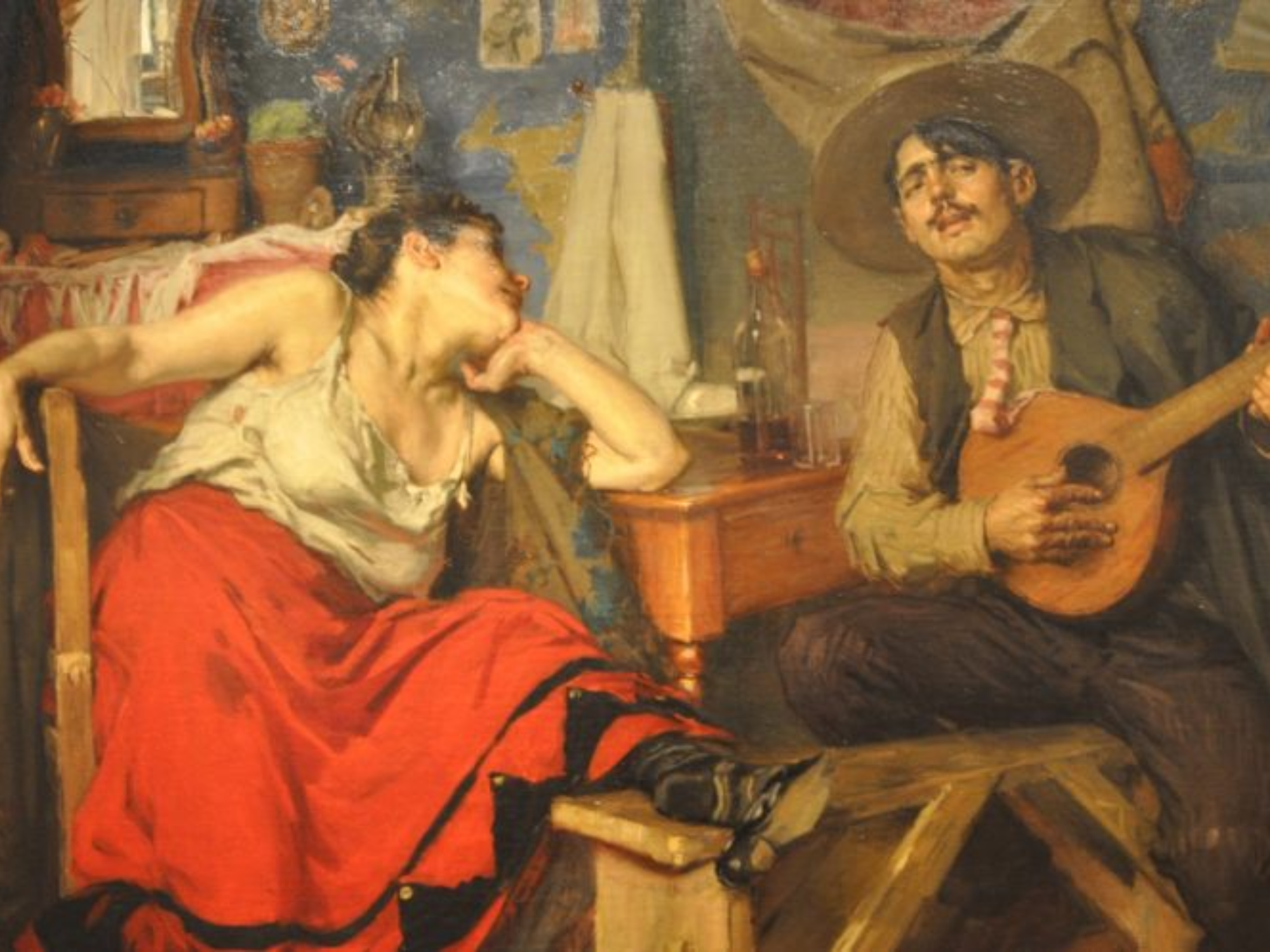
Fado emerged in early-19th-century Lisbon, in the working-class neighborhoods along the river. Sailors, dockworkers, and the uncertainty of departures and returns are woven into its earliest themes. It's a genre born from waiting, longing, and fate, hence the name.
The voice that carried it to the world
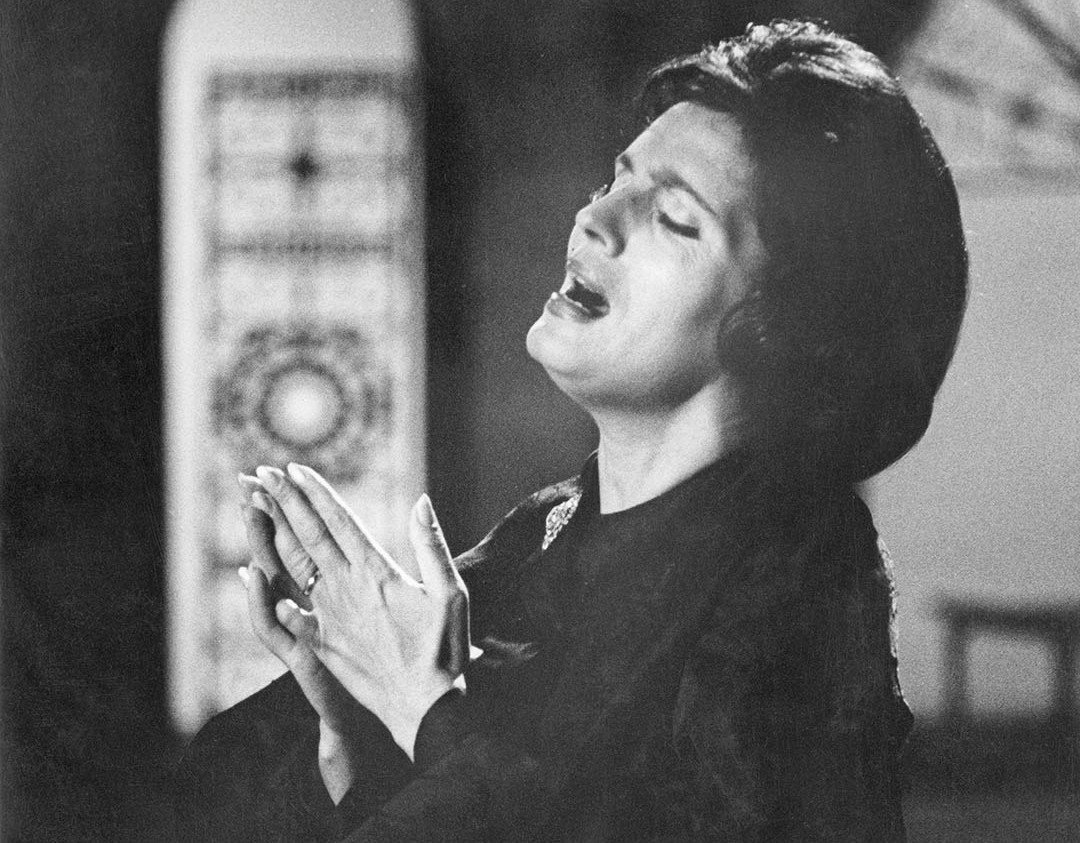
Amália Rodrigues, who grew up in Mouraria, became Fado's defining international voice in the 20th century, performing across Europe and the Americas and turning a local tradition into a national symbol.
Her legacy is still the reference point every fadista is measured against today.
Why UNESCO recognition is worth mentioning to clients
In 2011, Fado was inscribed on UNESCO's Representative List of the Intangible Cultural Heritage of Humanity. Official recognition of Fado as a living, protected part of Lisbon's identity, not a tourist performance manufactured for visitors.
For clients who care about authenticity (and increasingly, they do), that single fact does a lot of persuasive work.
Turning this into a selling point
This is the kind of cultural context that upgrades a proposal from "we're including a Fado dinner" to "we're including a UNESCO-recognized living tradition, performed in the neighborhood where it began." It's a small shift in language with a real impact on perceived value, and it costs nothing to include.